
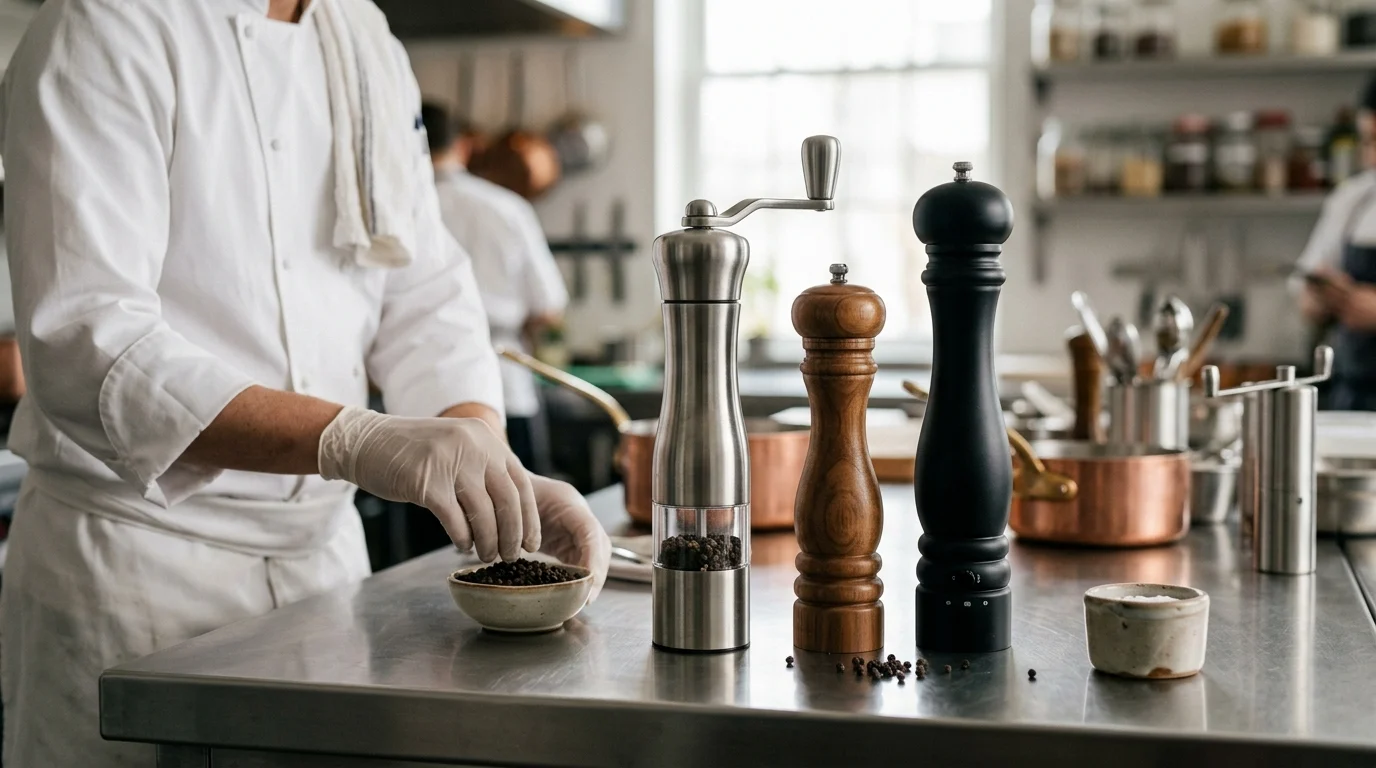
Freshly ground pepper may seem like a small detail, but in a busy restaurant it affects speed, consistency, food safety, and equipment cost. In 2026, buyers are under pressure to reduce replacement spending, support stricter sanitation routines, and give staff tools that can survive daily service rather than occasional home use. The right grinder is no longer just a tabletop accessory; it is part of the workflow. This guide explains how to evaluate commercial pepper grinders by duty cycle, burr material, reservoir size, grind adjustment, ergonomics, and restaurant use case so foodservice teams can buy equipment that performs reliably shift after shift.
Why Commercial Pepper Grinders Matter in 2026
In 2026, foodservice operations face mounting pressures to optimize prep times, reduce equipment replacement costs by typical targets of 20% to 40% annually, and comply with stricter food safety standards. The reliance on a high-quality commercial pepper mill has shifted from a mere tabletop accessory to a durable daily tool designed to withstand heavy-duty use in modern kitchens, moving away from consumer-grade plastics toward reliable, commercial-grade materials.
Key differences from consumer grinders
The demarcation between true commercial-grade units and consumer models marketed as "commercial" centers on duty cycles and structural integrity. A standard domestic grinder is engineered for light, occasional use (typically 5 to 15 actuations per week). Conversely, a heavy-duty commercial pepper grinder must sustain extensive, prolonged use (often exceeding 100+ actuations daily) before burr degradation affects particle uniformity after 50,000 to 100,000 cycles. True commercial units feature reinforced spindle shafts—often utilizing 4mm to 6mm thick stainless steel—preventing the lateral flex that causes uneven grinds in cheaper plastic alternatives. Reservoir capacity is another critical differentiator; commercial models typically hold significantly larger volumes of peppercorns (often 1.5 to 3.5 ounces, compared to 0.5 ounces in retail models), drastically reducing refill frequency during busy shifts compared to retail counterparts.
Restaurant use cases and labor needs
How restaurants use these tools depends heavily on their specific service style. In high-volume kitchen prep, chefs require rapid throughput. While many high-throughput kitchens (processing over 10 lbs of spices monthly) actually prefer pre-ground pepper for absolute speed and consistency, those grinding fresh rely on ergonomic, low-torque manual mechanisms or heavy-duty electric models to reduce repetitive motion strain. For table service, waitstaff utilizing premium grinders can speed up table-side finishing by 15 to 30 seconds per table. While time saved at the table does not automatically equal reduced labor costs, efficient equipment prevents staff from wrestling with jammed or broken hardware, allowing them to focus on guest interactions. Furthermore, commercial environments require strict cleaning and sanitization protocols, meaning grinders must be designed for easy disassembly and thorough washing.
How to Compare Commercial Pepper Grinders
Selecting the optimal grinder requires evaluating internal mechanics and power sources against the specific demands of the foodservice environment.
Materials, burrs, and grind adjustment
The core of any milling device is its burr set. While some specialty units use high-carbon steel for exceptional sharpness to shear peppercorns cleanly, most commercial kitchens prefer stainless or hardened steel due to carbon steel's high susceptibility to rust in humid environments. Advanced ceramic mechanisms provide excellent corrosion resistance, making them ideal for high-humidity kitchens or dual-use salt and pepper grinder setups. In fact, ceramic often outlasts steel in corrosive environments. Grind adjustment systems in commercial units should offer 5 to 8 fixed, stepped settings to help maintain recipe consistency across multiple shifts.
| Feature | Hardened/Stainless Steel Burrs | High-Alumina Ceramic Burrs |
|---|---|---|
| Lifespan Expectancy | Extended (50,000+ cycles) | Extended (75,000+ cycles; outlasts steel in high humidity) |
| Corrosion Resistance | Moderate to High | Excellent (Chemically inert) |
| Best Application | Dry prep, pure pepper | High-humidity, salt/pepper |
| Cost Premium | High (+25% to 40%) | Medium (+10% to 20%) |
Manual vs. electric grinder options
The debate between manual and motorized units has evolved alongside advancements in battery technology. Manual grinders remain the standard for fine-dining table service due to their classic aesthetic, tactile feedback, and lack of charging infrastructure requirements. However, back-of-house operations are increasingly exploring the electric pepper mill.
Crucially, buyers must explicitly verify commercial-rated warranties before purchase; many electric models marketed to consumers will void their warranties under high-volume commercial use. Modern electric variants utilize 500mAh to 1200mAh lithium-ion batteries and Type-C USB charging, often delivering 2 to 4 months of standby power or 300+ grinds per charge. However, operators must weigh these conveniences against critical failure-mode caveats: battery depletion during peak service, motor burnout under heavy commercial load, and limited field repairability. These risks are key factors that often make manual units the back-of-house default. When evaluating motorized options, buyers must also ensure the decibel output remains low (typically under 60 to 65 dB) to avoid contributing to ambient dining room noise.
Procurement, Compliance, and Logistics
Strategic sourcing of tabletop equipment requires vetting manufacturing partners, ensuring regulatory compliance, and balancing unit costs with long-term reliability.
Supplier qualification and food safety
Food safety regulations mandate that any material contacting consumable spices must be chemically inert and easily sanitized. In the US, foodservice health inspectors typically require NSF/ANSI Standard 2-listed smallwares, which ensures the equipment meets strict commercial cleanability and safety standards. Buyers must also verify that a prospective pepper grinder meets other relevant regional guidelines, such as FDA or LFGB standards. Plastics used in hoppers or housings must be certified BPA-free and shatter-resistant to prevent physical contamination in commercial kitchens. For enterprise chains sourcing directly from manufacturers, supplier qualification should include auditing factory ISO 9001:2015 certifications and ensuring pre-shipment inspection protocols cover torque resistance and drop testing from standard 36-inch to 48-inch counter heights.
Selection process for performance and cost
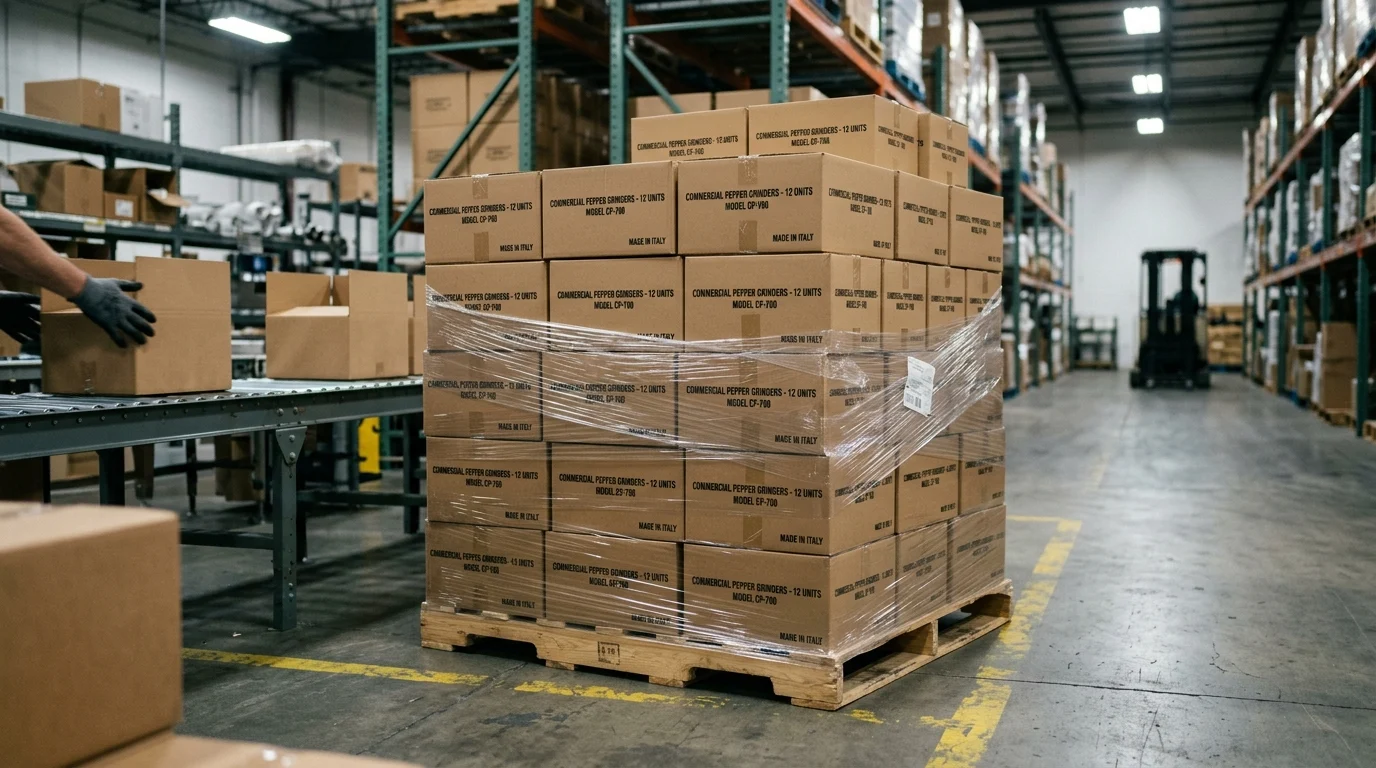
The procurement process must balance upfront costs against Total Cost of Ownership (TCO). Commercial grinders occupy a wide pricing spectrum (typically $15 to $45 for manual units, and $40 to $90+ for motorized models) depending on housing materials, motor inclusion, and whether they are purchased through domestic restaurant supply distributors or sourced directly at scale. For large hospitality groups buying direct, volume-dependent pricing often requires minimum order quantities (MOQs typically ranging from 500 to 1,000 units) and extended lead times (30 to 45 days for production, plus 20 to 30 days for ocean freight and customs clearance)—factors that independent operators avoid by using local suppliers. Regardless of the purchasing channel, investing in units with modular, replaceable burr cartridges allows restaurant groups to reduce their long-term TCO, circumventing the need to discard the entire grinder when the mechanism eventually wears out.
Key Takeaways
- Choose grinders built for at least 100 daily actuations if they will be used in active prep or tableside service.
- Prioritize reinforced stainless steel shafts and durable burrs to support replacement-cost reduction goals of 20% to 40% annually.
- Select 1.5- to 3.5-ounce reservoirs for busy restaurants to reduce refill interruptions during service.
- Use ceramic burrs in humid kitchens or salt-and-pepper applications because they provide strong corrosion resistance.
- Specify 5 to 8 stepped grind settings to improve recipe consistency across multiple shifts and staff members.
Frequently Asked Questions
What makes a pepper grinder commercial-grade?
A commercial-grade grinder is built for high duty cycles, reinforced shafts, durable burrs, larger reservoirs, and easier cleaning. Unlike domestic models used a few times weekly, true commercial units may handle 100+ actuations per day.
Are ceramic or stainless steel burrs better for restaurants?
Both can work well. Stainless or hardened steel burrs are durable and sharp, while ceramic burrs resist corrosion and are often better for humid kitchens or salt-and-pepper use.
How large should a restaurant pepper grinder reservoir be?
For busy foodservice use, look for reservoirs around 1.5 to 3.5 ounces. Larger capacity reduces refills during rush periods compared with small retail grinders that may hold about 0.5 ounces.
Should restaurants use manual or electric pepper grinders?
Manual grinders suit tableside service and controlled finishing, while electric models can reduce repetitive strain in prep areas. High-volume kitchens should choose based on throughput, ergonomics, cleaning needs, and consistency.
How many grind settings should a commercial grinder have?
A good commercial grinder should offer about 5 to 8 fixed, stepped settings. This helps maintain recipe consistency across shifts and reduces variation between different staff members.