
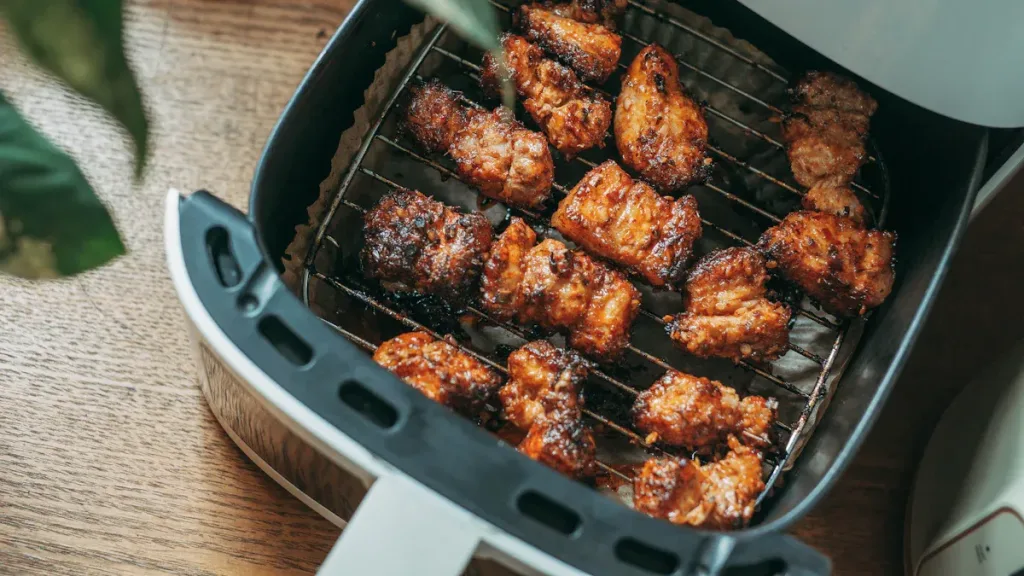
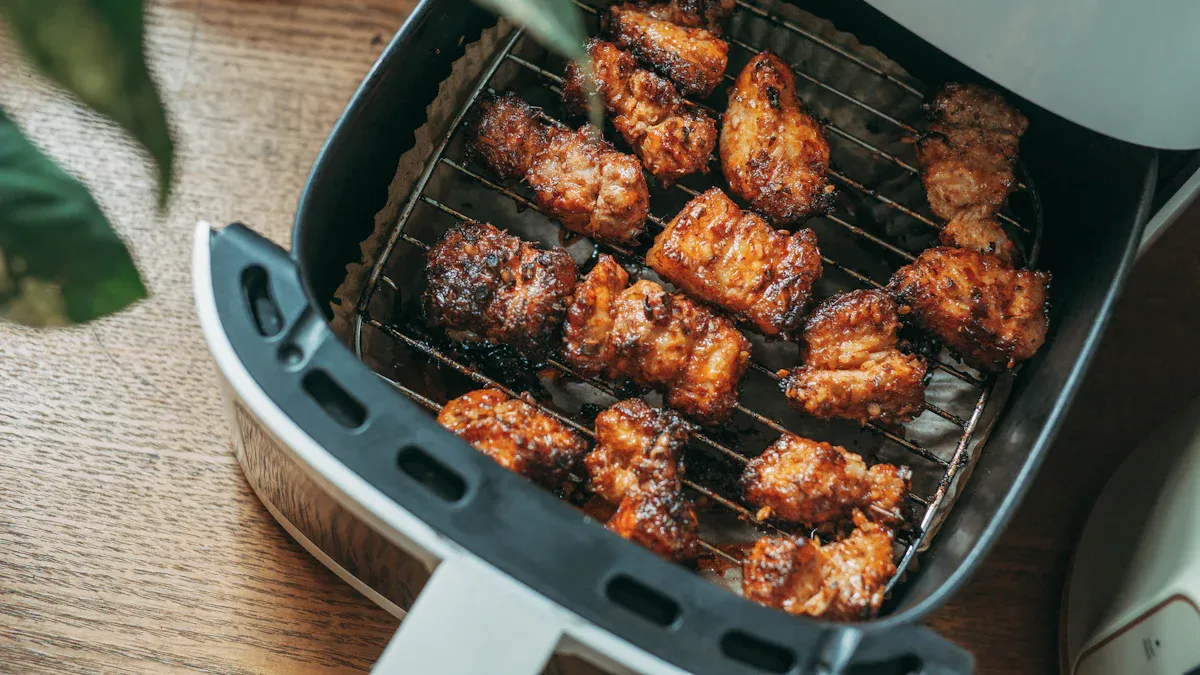
An Air Fryer is a kitchen appliance that cooks food by circulating hot air around it. This method provides a crispy texture similar to frying but uses significantly less oil. In fact, as of 2024, about 60% of households in the United States own an Air Fryer. People love them for various reasons, such as healthier meals with less oil, faster cooking times, and ease of use. Whether you want to whip up crispy veggies or tasty snacks, an Air Fryer can be a versatile addition to your kitchen, making it a popular choice among many Air Fryer manufacturers.
Key Takeaways
- Preheat your air fryer for 3-5 minutes to ensure even cooking and a crispy finish.
- Avoid overcrowding the basket. Give food space to allow hot air to circulate for better results.
- Adjust cooking times and temperatures. Lower the temperature by 25-50°F and reduce cooking time by about 20% compared to traditional methods.
- Use the right amount of oil. A light coating enhances flavor and texture without making food greasy.
- Experiment with different foods. Air fryers work well with a variety of ingredients, from vegetables to proteins.
- Shake or flip food halfway through cooking. This promotes even cooking and helps achieve that perfect crunch.
- Try creative recipes. Explore unique dishes like air fryer s’mores or zucchini chips to make the most of your air fryer.
- Enjoy healthier meals. Air frying uses less oil, making it a great option for tasty yet nutritious cooking.
Tip 1: Preheat Your Air Fryer
Importance of Preheating
Preheating your air fryer is a crucial step for achieving perfect results. When you preheat, you set the stage for even cooking and a crispy finish. Here’s why it matters:
- Uniform Cooking: Preheating ensures that your food cooks evenly. Without it, some parts may end up undercooked while others are overdone.
- Enhanced Crispiness: A hot air fryer gives food a sudden blast of heat. This helps in browning and crisping, leading to a more desirable texture.
- Better Flavor: Foods cooked in a preheated air fryer often taste better. The quick heat helps lock in flavors and moisture.
Many air fryer users find that preheating for about three minutes can significantly improve their cooking experience. It’s a simple step that can lead to a more satisfying meal.
How to Preheat
Preheating your air fryer is easy! Follow these steps for the best results:
- Set the Temperature: Choose the temperature at which you plan to cook your food. Most recipes suggest around 180°C (350°F).
- Turn It On: Click the “on” button and let the air fryer heat for 3-5 minutes. For smaller models (under 3 quarts), 2 minutes may suffice, while larger ones might need closer to 5 minutes.
- Check for Preheat Function: Some air fryers come with a preheat function. If yours does, simply select it and let the appliance do the work.
Most air fryer manuals recommend preheating before adding food. This practice helps prevent soggy results by allowing your food to start cooking in hot air right away. Remember, preheating isn’t always mandatory, but it can make a noticeable difference in your cooking.
Tip 2: Don’t Overcrowd the Air Fryer Basket
Effects of Overcrowding
Overcrowding the air fryer basket can lead to disappointing results. When you pack too much food into the basket, it blocks the hot air from circulating properly. This can cause uneven cooking, leaving some pieces undercooked while others may become dry or overcooked. Here’s a quick look at the impact of overcrowding:
| Issue | Impact on Cooking Efficiency and Food Quality |
|---|---|
| Overcrowding the Basket | Blocks air circulation, leading to uneven cooking and potential dryness or overcooking. |
Experts agree that avoiding overcrowding is essential for achieving optimal cooking results. Proper air circulation around the food enhances cooking and browning, which ultimately improves taste. So, if you want crispy fries or perfectly cooked chicken, give your food some space!
Best Practices for Food Placement
To ensure even cooking in your air fryer, follow these best practices for food placement:
- Single Layer: Always arrange food in a single layer. This allows hot air to circulate freely around each piece, preventing steaming and ensuring a crispy texture.
- Shake or Flip: Halfway through cooking, shake the basket or flip the food. This exposes different sides to the hot air, promoting even cooking.
- Leave Space: Make sure there’s space between pieces. This helps hot air flow around the food, enhancing the cooking process.
By following these tips, you can maximize the efficiency of your air fryer and enjoy delicious meals every time. Remember, a little space goes a long way in achieving that perfect crunch!
Tip 3: Adjust Cooking Times and Temperatures in Your Air Fryer
Understanding Cooking Times
Cooking times can vary significantly when using an air fryer compared to traditional methods. Many people find that air fryers cook food faster, which can be a game-changer in the kitchen. Here are some key points to keep in mind:
- Lower Temperature: When using an air fryer, cook at a lower temperature than in a conventional oven. This helps prevent over-browning or burning.
- Shortened Cooking Times: Air fryers can cut cooking times in half for some recipes. This means you can enjoy your meals quicker!
- General Rule: A good rule of thumb is to reduce the temperature by 25-50°F and the cooking time by about 20% when converting recipes from an oven to an air fryer.
- Check for Doneness: Always check for doneness at the halfway point. This ensures that your food cooks properly and helps you avoid any surprises.
Temperature Adjustments for Different Foods
Different types of food require different cooking times and temperatures. Here’s a handy table to help you understand how various factors can influence your cooking experience:
| Factor | Description |
|---|---|
| Differences in Air Fryer Models | Variations in wattage, capacity, and design can affect cooking speed. Smaller units may cook faster. |
| Overcrowding the Basket | Filling the basket too full can block airflow, leading to uneven cooking and longer times. |
| Skipping the Preheat Step | Not preheating can cause food to cook in cooler air, resulting in longer cooking times. |
| Not Shaking or Flipping Food | Failing to move food can lead to uneven heat exposure, requiring additional cooking time. |
| Incorrect Temperature or Oil | Wrong temperature settings or oil amounts can slow down cooking and affect crispiness. |
By keeping these factors in mind, you can adjust your cooking times and temperatures effectively. This will help you achieve that perfect crispy texture and delicious flavor that everyone loves. Remember, practice makes perfect, so don’t hesitate to experiment a little!
Tip 4: Use the Right Amount of Oil in Your Air Fryer
Benefits of Using Oil
Using oil in your air fryer can make a big difference in the taste and texture of your food. Here are some key benefits:
- Flavor Enhancement: A light coating of oil helps promote the Maillard reaction. This reaction is what gives food that delicious brown color and rich flavor. It’s especially important for items like chicken tenders and fries.
- Crispy Texture: Oil creates a crispy exterior similar to deep-frying. This means you can enjoy that satisfying crunch without all the extra fat.
- Healthier Option: Air-fried foods typically contain lower fat and calorie content compared to deep-fried foods. This can aid in weight management and overall health. Plus, air frying significantly reduces harmful compounds like acrylamide, which is linked to cancer.
Using the right amount of oil not only improves the taste but also makes your meals healthier.
How Much Oil to Use
So, how much oil should you actually use in your air fryer? Culinary experts recommend using between 1 teaspoon to 2 tablespoons of oil for optimal results. Here’s a quick guide:
- 1 teaspoon: Ideal for small batches or delicate foods.
- 1 tablespoon: Great for most vegetables and proteins.
- 2 tablespoons: Suitable for larger batches or when cooking denser foods.
Tip: Always aim for a light, even coating. Too much oil can lead to sogginess, which defeats the purpose of air frying. A little goes a long way!
When you use the right amount of oil, you’ll notice a significant improvement in your cooking results. Your food will be crispy, flavorful, and much healthier than traditional frying methods. So, next time you reach for the oil, remember that moderation is key!
Tip 5: Experiment with Different Foods in Your Air Fryer
Foods That Work Well
One of the best parts about using an air fryer is the variety of foods you can cook. Many ingredients yield fantastic results, making it a fun appliance to experiment with. Here’s a list of foods that work particularly well in an air fryer:
- Carrots
- Broccoli
- Cauliflower
- Brussels sprouts
- Mushrooms
- Peppers
These vegetables not only cook quickly but also develop a deliciously crispy texture. Additionally, you can try cooking proteins like chicken thighs, tofu, and salmon. Here’s a quick list of other favorites:
- Chips
- Roasted veggies
- Halloumi
- Pork belly
Air frying these foods results in a crispy finish using significantly less oil than traditional frying methods. This healthier alternative enhances the overall eating experience, making meals both tasty and guilt-free.
Creative Air Fryer Recipes
Once you get comfortable with the basics, it’s time to get creative! Many air fryer users have discovered unique recipes that take advantage of this versatile appliance. Here are some popular ideas to inspire your next cooking adventure:
- Air fryer s’mores
- Air fryer avocado fries
- Air fryer pizza rolls
- Air fryer churros
- Air fryer fried pickles
- Air fryer zucchini chips (no breading)
- Air fryer stuffed peppers
- Air fryer macaroni and cheese balls
- Ultra crispy air fryer chickpeas
- Air fryer lobster tails
These recipes showcase the air fryer’s ability to transform everyday ingredients into delightful dishes. For instance, air fryer fried chicken has gained popularity for its ease of preparation and healthier profile. It requires minimal oil while still delivering that classic crispy texture.
However, experimenting with new foods can come with challenges. Here are some common pitfalls to avoid:
- Using the wrong type of oil can lead to greasy food instead of the desired crispy texture.
- Ignoring the size and thickness of food can result in uneven cooking.
- Forgetting to shake or flip food during cooking can cause uneven crisping.
By keeping these tips in mind, home cooks can unlock the full potential of their air fryer. So, don’t hesitate to try new recipes and enjoy the delicious results!
In summary, following these top five air fryer tips can elevate your cooking game. Remember to preheat your air fryer, avoid overcrowding the basket, adjust cooking times and temperatures, use the right amount of oil, and don’t hesitate to experiment with different foods.
Trying new recipes can be a fun adventure! The air fryer offers endless possibilities, from crispy vegetables to delightful desserts.
Lastly, air frying not only makes meals healthier but also reduces cooking time and mess. So, grab your air fryer and start creating delicious dishes today!
FAQ
What types of food can I cook in an air fryer?
You can cook a wide variety of foods in an air fryer, including vegetables, meats, and even desserts. Popular choices include chicken wings, fries, and roasted veggies.
How do I clean my air fryer?
To clean your air fryer, unplug it and let it cool. Remove the basket and tray, then wash them with warm soapy water. Wipe the interior with a damp cloth.
Can I use aluminum foil in my air fryer?
Yes, you can use aluminum foil in your air fryer. Just make sure it doesn’t block airflow. Use it to line the basket or wrap food for easier cleanup.
Is air frying healthier than deep frying?
Yes, air frying is generally healthier than deep frying. It uses less oil, which reduces fat and calorie content while still providing a crispy texture.
How long does it take to cook food in an air fryer?
Cooking times vary based on the food type and size. Most foods cook in 10 to 30 minutes. Always check for doneness to ensure perfect results.
Do I need to preheat my air fryer every time?
While preheating isn’t always necessary, it’s recommended for best results. Preheating helps achieve even cooking and a crispy finish.
Can I bake in an air fryer?
Absolutely! You can bake items like muffins, cakes, and cookies in an air fryer. Just adjust the temperature and cooking time as needed.
What should I do if my food is not crispy?
If your food isn’t crispy, try using a bit more oil or ensure you’re not overcrowding the basket. Shaking or flipping the food halfway through cooking can also help.